
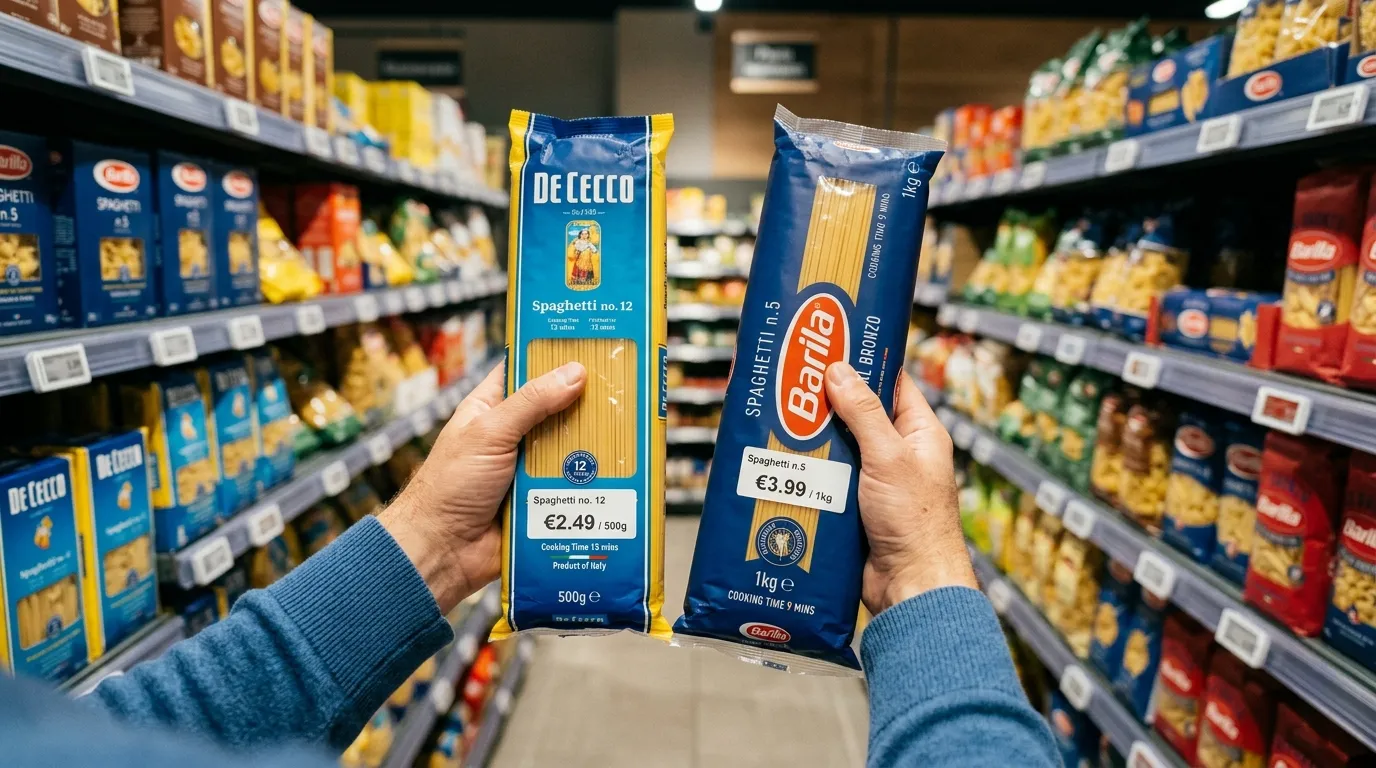
Bottom line first: Maxi is strongest when you want a discount-led basket and enough of your repeat staples line up to justify making it the main stop. That matters because Maxi often enters the decision as the assumed low-price option, especially in Quebec. The smarter move is to test that assumption against the products you actually rebuy. That is exactly what BarcodeVibe’s Maxi page is built to support.
Why Maxi deserves its own comparison
Maxi usually sits inside a real three-way choice:
- make the basket as cheap as possible;
- keep the trip short and convenient;
- avoid splitting the route too much.
That means Maxi is rarely being compared against a random national average. It is usually being compared against Metro, IGA, or Walmart in a specific neighborhood routine.
Table: when a Maxi trip makes the most sense
| Maxi pattern | Question to answer first | Why it matters |
|---|---|---|
| Main weekly basket | Are the staples you rebuy still strongest at Maxi this week? | Discount reputation only matters if the basket agrees |
| Smaller Quebec refill trip | Is Maxi still worth it versus a closer IGA or Metro? | Convenience can erase savings quickly |
| Larger stock-up run | Does Maxi beat Walmart on the products that matter most? | Basket-level savings matter more than a single special |
Which products should decide the Maxi trip
Start with the staples that show up every week: milk, eggs, yogurt, bread, cereal, pasta, and a few produce basics. If those products are lining up well at Maxi, the discount positioning is doing real work. If they are not, then a different banner may deserve the main stop even if Maxi still feels like the “cheap” answer.
This is where BarcodeVibe’s grocery price tracker matters. Instead of deciding from memory, you can keep the important items visible and compare the trip with more discipline.
How Maxi fits real city routines
Maxi tends to matter most in the same places where the value-versus-convenience decision shows up every week. If your routine moves through Montreal or Ottawa, Maxi is often part of the realistic store set, not just a one-off option.
That is useful because city grocery routines are rarely abstract. They are about transit, parking, timing, and whether the basket is a true stock-up or only a refill trip.
A practical BarcodeVibe routine for Maxi
For most shoppers, a strong Maxi routine looks like this:
- open BarcodeVibe’s Maxi page before the trip;
- compare Maxi with the one or two banners you would actually visit instead;
- review your repeat staples in BarcodeVibe’s grocery price tracker;
- use BarcodeVibe’s barcode scanner in store when a product looks ambiguous or the package seems to have changed.
That sequence matters because the biggest mistake is not one bad purchase. It is assuming Maxi is automatically correct on every basket.
The practical takeaway
Maxi is most useful when it wins on the staples that decide your total basket, not just when it looks discount-branded from a distance. Start with BarcodeVibe’s Maxi page, connect it to BarcodeVibe’s grocery price tracker, and make the next trip a comparison-led decision instead of a habit.