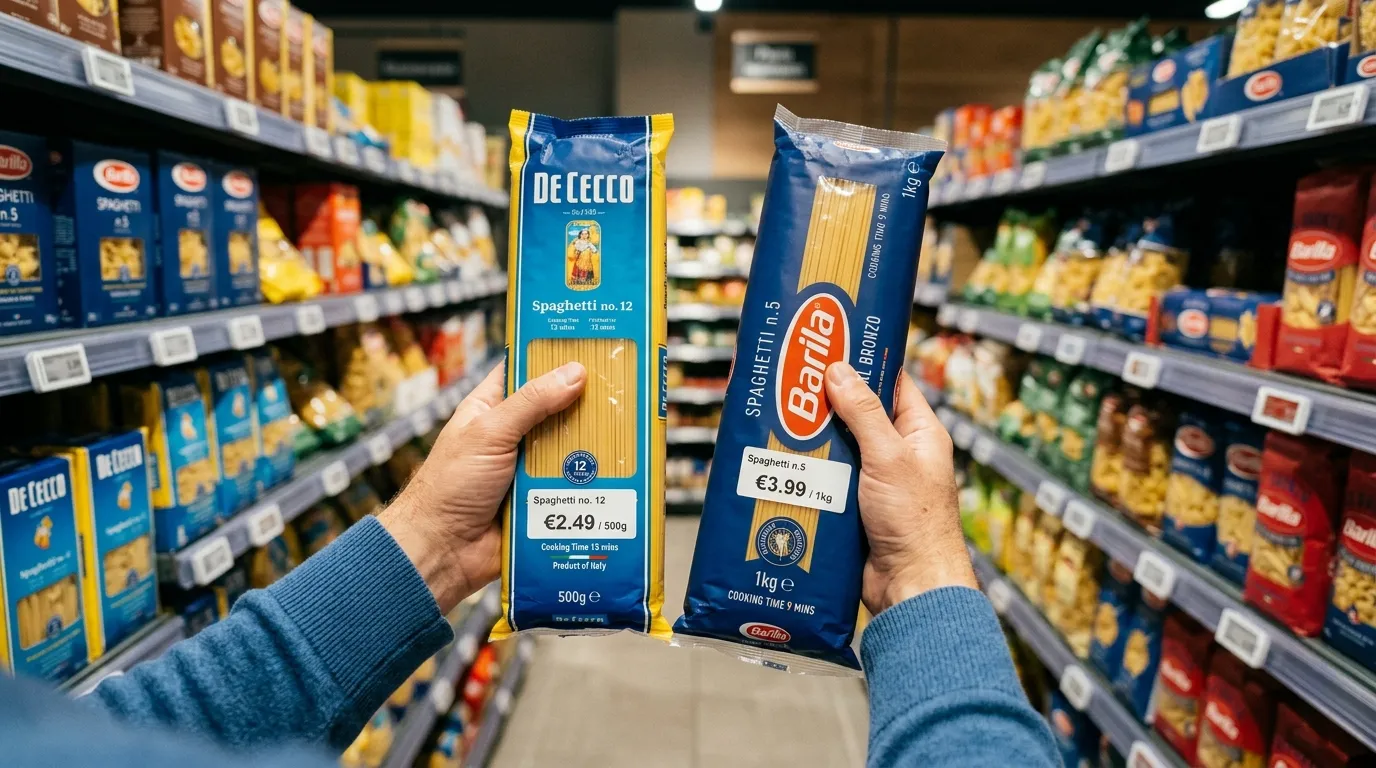
Bottom line first: Save-On-Foods is most useful when a broad weekly basket still makes sense there on the products you rebuy most often. That matters because one-stop convenience is only valuable if the basket stays disciplined. BarcodeVibe’s Save-On-Foods page helps make that decision easier before the trip begins.
Why Save-On-Foods needs a direct comparison
Save-On-Foods usually competes on:
- a broad one-store weekly basket;
- local familiarity in Western Canadian routines;
- comparison pressure from Safeway, Walmart, and nearby alternatives.
That means the useful question is not whether Save-On-Foods is a “good store.” It is whether it is the right store for this week’s actual basket.
Table: when Save-On-Foods can still lead
| Save-On-Foods pattern | The question to ask first | Why it matters |
|---|---|---|
| Main weekly basket | Are core staples still close enough in price to justify a one-stop trip? | Convenience only helps if the basket agrees |
| Alternative to Safeway | Is Save-On-Foods winning on the products that drive the week? | Similar stores can diverge on key categories |
| Western city routine | Does Save-On-Foods fit the route without pushing the total too high? | A familiar store can still drift upward over time |
Which products should decide the Save-On-Foods trip
Start with the staples that appear every week: dairy, eggs, bread, produce, pantry basics, and one or two household items. Those are the products that show whether Save-On-Foods is genuinely serving the basket or only feeling convenient.
That is why BarcodeVibe’s grocery price tracker matters. It helps keep the repeat staples visible so you can judge the trip more objectively.
Where Save-On-Foods matters most
Save-On-Foods is most relevant in Vancouver and Calgary, where a full weekly basket often has to balance convenience, route simplicity, and strong price discipline.
A practical BarcodeVibe routine for Save-On-Foods
For most shoppers, a better process looks like this:
- open BarcodeVibe’s Save-On-Foods page;
- compare Save-On-Foods with Safeway or Walmart before the trip;
- review repeat staples in BarcodeVibe’s grocery price tracker;
- use BarcodeVibe’s barcode scanner on products that still need an in-store check.
That helps keep Save-On-Foods tied to the current basket instead of banner habit.
The practical takeaway
Save-On-Foods is strongest when convenience and one-stop coverage are backed by staples that still support the weekly basket. Start with BarcodeVibe’s Save-On-Foods page, connect it to BarcodeVibe’s grocery price tracker, and let the basket decide whether the store earns the trip.