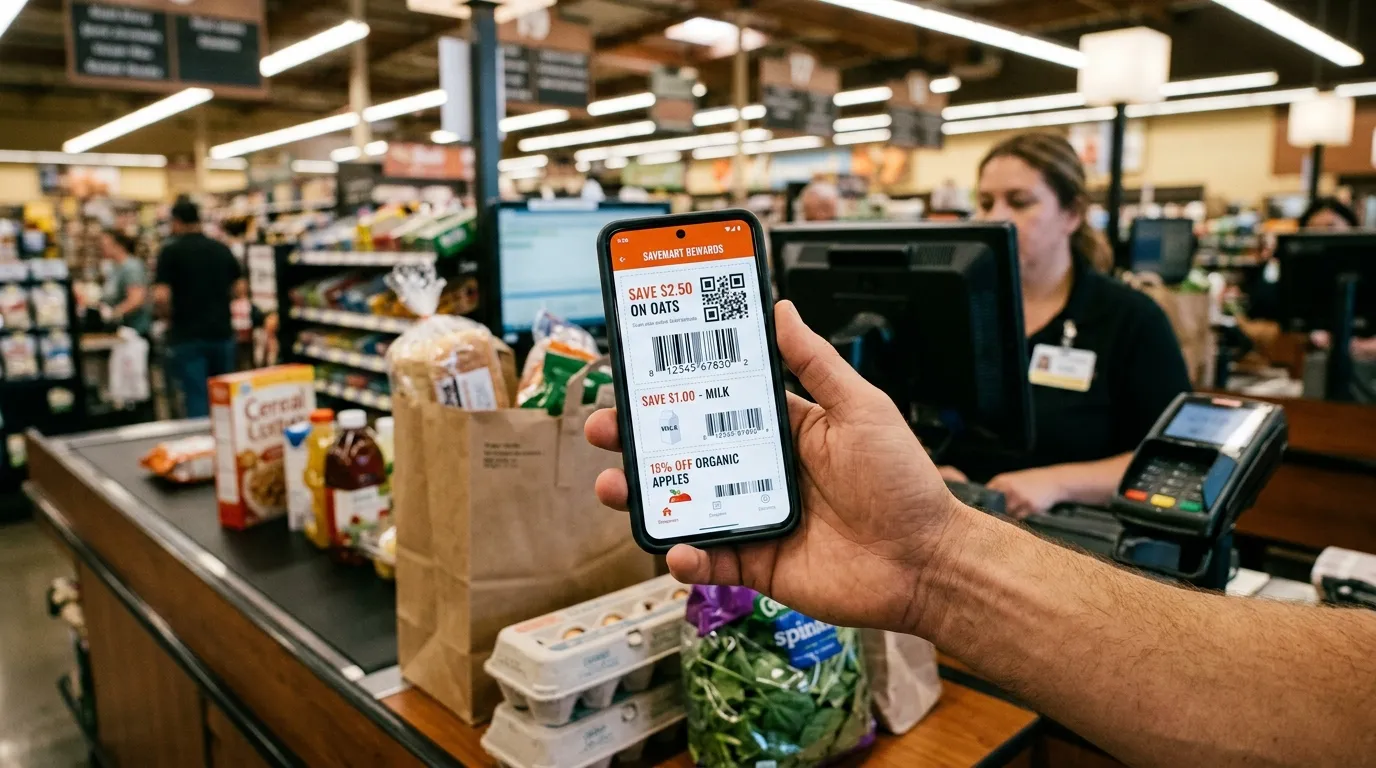
Yes, some Canadian households can make a $100 grocery budget last for a week. But for a family of four starting with an empty kitchen, it is an extreme target, not a realistic national benchmark. It usually depends on food already in the pantry, low-cost stores nearby, time to cook, flexible meals, and household needs that fit the plan.
That distinction matters. A useful budget gives a family a plan. A misleading budget makes people feel as if they failed when the assumptions were impossible from the start.
Start by defining what the $100 has to cover
Before writing a grocery list, answer five questions.
| Question | Why it changes the result |
|---|---|
| How many people are eating? | Two adults and two teenagers need a different basket from one adult and two young children. |
| What is already at home? | Oil, spices, flour, rice, frozen food, and leftovers can represent a large hidden subsidy. |
| Are all meals included? | School lunches, workplace meals, takeout, and restaurant food can sit outside a grocery challenge. |
| Are there dietary requirements? | Allergies, medical diets, cultural preferences, and infant needs can remove the cheapest substitutions. |
| Where is the household shopping? | Region, store access, transportation, and local specials all change the available prices. |
A challenge that begins with a full freezer is not comparable with a week that begins with empty cupboards. Keep those starting conditions visible.
How $100 compares with the 2026 family benchmark
Canada’s Food Price Report 2026 estimates annual food spending of $17,571.79 for its reference family of four. That works out to about $337.92 per week.
The report’s family has a specific age and household profile, so its total is not a bill that every family should expect. It is still a useful scale check: $100 represents less than 30% of that weekly reference amount.
That does not prove a $100 week is impossible. It shows why the target normally requires several advantages at once:
- useful food already in the kitchen;
- most meals prepared at home;
- little or no food waste;
- repeated use of low-cost ingredients;
- few expensive convenience items;
- access to competitive prices without a costly extra trip.
If a budget challenge hides those advantages, it is entertainment rather than a household plan.
Build a flexible allocation before choosing recipes
Exact prices vary too much by province, store, week, and package size for one national shopping list to stay accurate. A percentage-based plan is more reusable.
Here is an illustrative starting allocation, not a nutrition prescription:
| Part of the basket | Starting share | What might fit there |
|---|---|---|
| Grains and filling basics | 25% | Oats, rice, pasta, potatoes, bread |
| Protein foods | 25% | Lentils, beans, eggs, tofu, and one flexible meat option if the price works |
| Vegetables and fruit | 30% | A mix of seasonal, frozen, and lower-sodium canned choices |
| Dairy or alternatives | 15% | Milk, yogurt, cheese, or household alternatives |
| Price and waste buffer | 5% | A substitution, missing staple, or unexpected package-size difference |
Use the table to protect balance in the basket, not to force every household into the same foods. If one category costs more because of dietary needs, move the percentages before shopping instead of hoping the checkout total will solve itself.
Health Canada’s healthy eating on a budget guidance recommends comparing unit prices, considering frozen and canned produce, choosing plant-based protein foods more often, and avoiding bulk purchases that will become waste. Those are useful principles because they improve the whole basket rather than relying on one unusually cheap product.
Turn a small list into several meals
The strongest low-budget ingredients are not simply cheap. They can move between meals.
For example, oats can cover breakfast and help bind a savoury recipe. Lentils can become soup, a pasta sauce, or part of a mixed filling. Roasted vegetables can appear at dinner, in a lunch bowl, and in a soup the next day. A cooked protein can be portioned across two meals instead of anchoring one oversized serving.
Health Canada’s meal-planning advice recommends choosing recipes with overlapping ingredients and using fresh items before frozen, canned, or dried ones. That order reduces the chance that a tight budget is lost to spoilage.
A practical sequence is:
- inventory the fridge, freezer, and pantry;
- choose three flexible main meals rather than seven unrelated recipes;
- plan lunches around leftovers;
- write quantities beside the grocery list;
- keep one backup meal from shelf-stable ingredients;
- freeze anything that will not be used safely in time.
This planning is also the foundation of our broader guide to saving money on groceries in Canada.
Know when the target is simply too low
A grocery target should be changed when meeting it requires skipping meals, ignoring a medical diet, removing necessary infant food, or repeatedly taking on debt. Those are not budgeting wins.
If $100 does not cover enough food for the household, the honest next step may be to raise the target, use an available benefit, or seek local support. Our guide to food insecurity in Canada lists the Canada Groceries and Essentials Benefit, Food Banks Canada, and 211 as concrete starting points.
Price comparison can reduce avoidable overpaying. It cannot close every gap between income and the cost of food.
Use price tools on the products that control the total
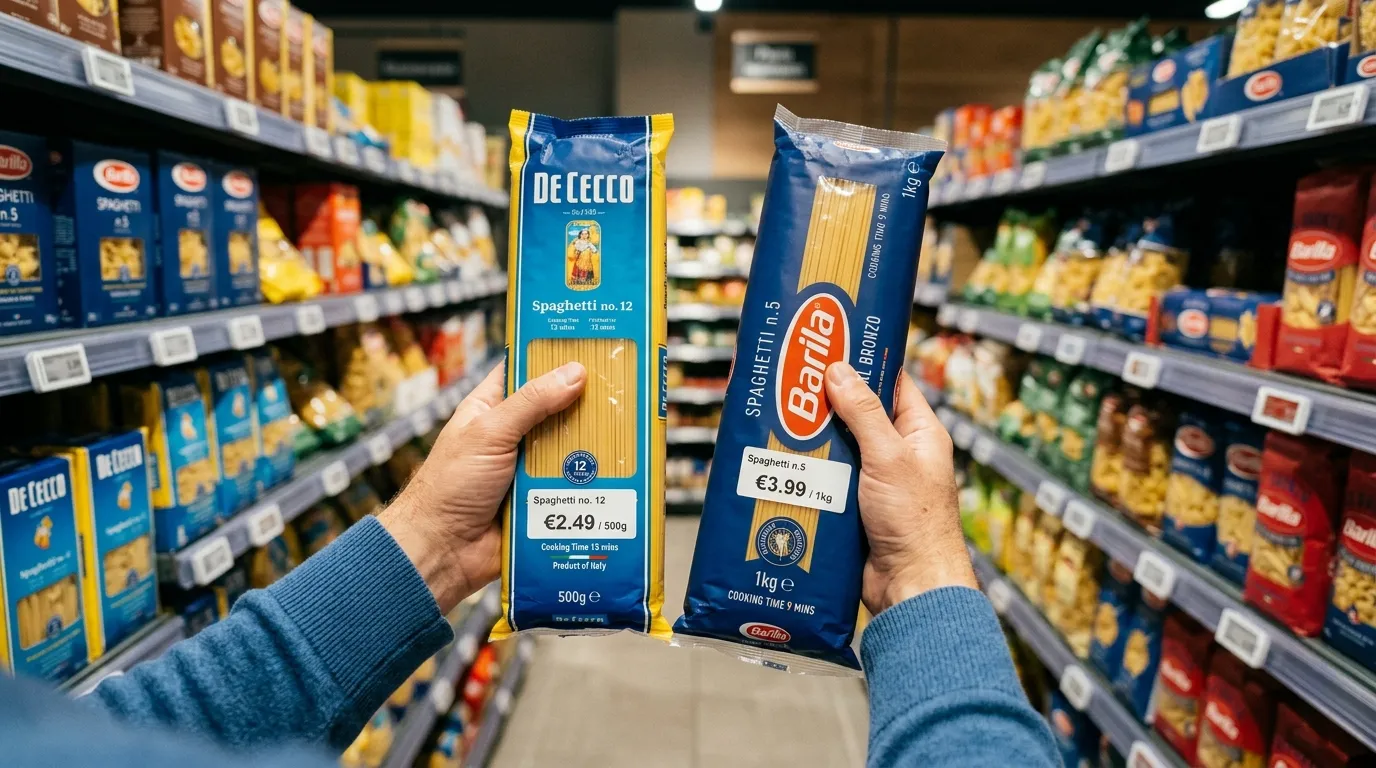
Do not try to track every item in the store. Start with eight to twelve products that repeat in your plan and take the largest shares of the $100.
For each product, record:
- the exact package size;
- the shelf price;
- the price per 100 g, kilogram, litre, or unit;
- whether the lower price requires buying more than the household can use.
BarcodeVibe’s grocery price tracker can show the available price history for followed products, while the barcode scanner can look up a supported product in the aisle. Coverage and freshness vary by product, store, source, and community activity, so use the information as context rather than as a complete record.
For a household-specific workflow, the BarcodeVibe family page connects those checks to a repeatable grocery routine.
The honest answer
A family can sometimes eat on $100 for a week in Canada, especially when the household already has staples and can build several meals from the same ingredients. It should not be presented as a universal, nutritionally complete target for every family of four.
Use $100 as a planning constraint only when the assumptions are visible. The better goal is not to win an online challenge. It is to build a basket the household can actually eat, repeat, and afford next week.