Bottom line first: in Canada, price comparison apps usually save more than flyers when the real question is “where should I shop for this basket?” Flyers still help at the discovery stage, but they are weaker when you need context across multiple staple items. That matters in 2026 because the base grocery bill remains high. Canada’s Food Price Report 2026 forecasts food inflation in a 4% to 6% range, and Statistics Canada reported food purchased from stores up 4.1% year over year in February 2026 and 30.1% above February 2021. When the whole basket matters, item-by-item flyer excitement is often not enough.
What flyers are best at
Flyers are strong when you want a quick market scan.
They help with:
- finding which categories are being promoted this week;
- spotting featured items at a few banners;
- building an early list of stores worth checking.
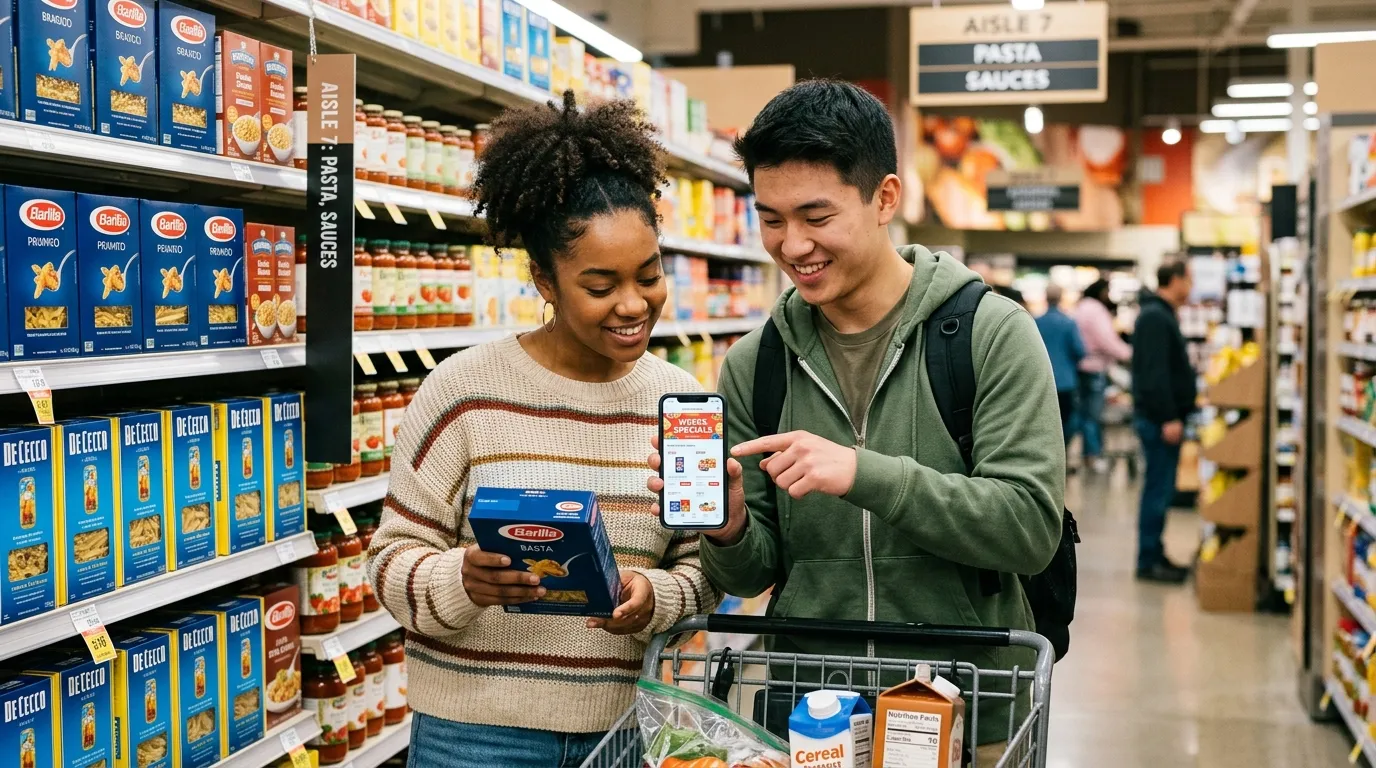
Flipp’s help centre makes that clear: flyer apps are built around browsing, searching, clipping, and saving deals. That is valuable, but it is still a discovery workflow.
What price comparison apps are best at
Price comparison apps become stronger when the question changes from “what is on promotion?” to “which store or mix of stores gives me the best result on my actual list?”
That is where comparison apps help with:
- basket-level tradeoffs;
- repeat staples;
- current price context rather than just advertised offers;
- store-to-store judgment before the trip starts.
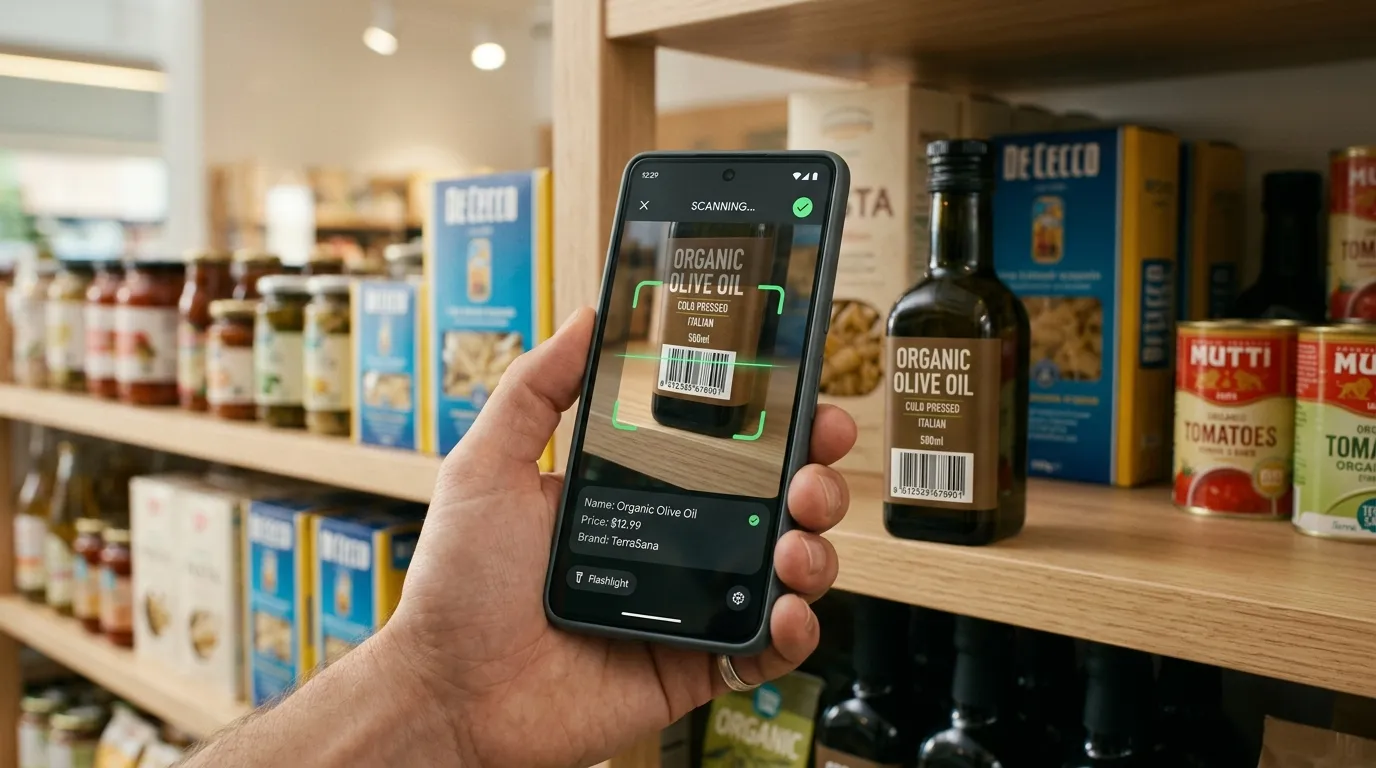
eezly’s grocery price comparison page frames the product around comparing store prices and building optimized grocery planning, which is a good example of the comparison-first category. BarcodeVibe lives in that same comparison space, but BarcodeVibe adds scanning and price history so the decision can keep going after the first comparison.
Table: flyers vs price comparison apps
| Shopping job | Flyers | Price comparison apps |
|---|---|---|
| Discover weekly promotions | Strong | Useful, but secondary |
| Build a basket-level view | Weak | Strong |
| Compare repeat staples across stores | Limited | Strong |
| Judge whether a promoted product is still worth buying | Limited | Stronger when paired with scanning and history |
| Decide where to shop before leaving home | Useful | Usually stronger |
The main issue is not that flyers are bad. It is that flyers answer a narrower question.
Why flyers often underperform at basket level
Flyers naturally spotlight a few products. That makes them effective for attention, but weaker for total-basket strategy.
A flyer can easily cause you to:
- overvalue one promoted brand;
- ignore weaker prices on the rest of the basket;
- miss a better nearby banner for the products you rebuy every week;
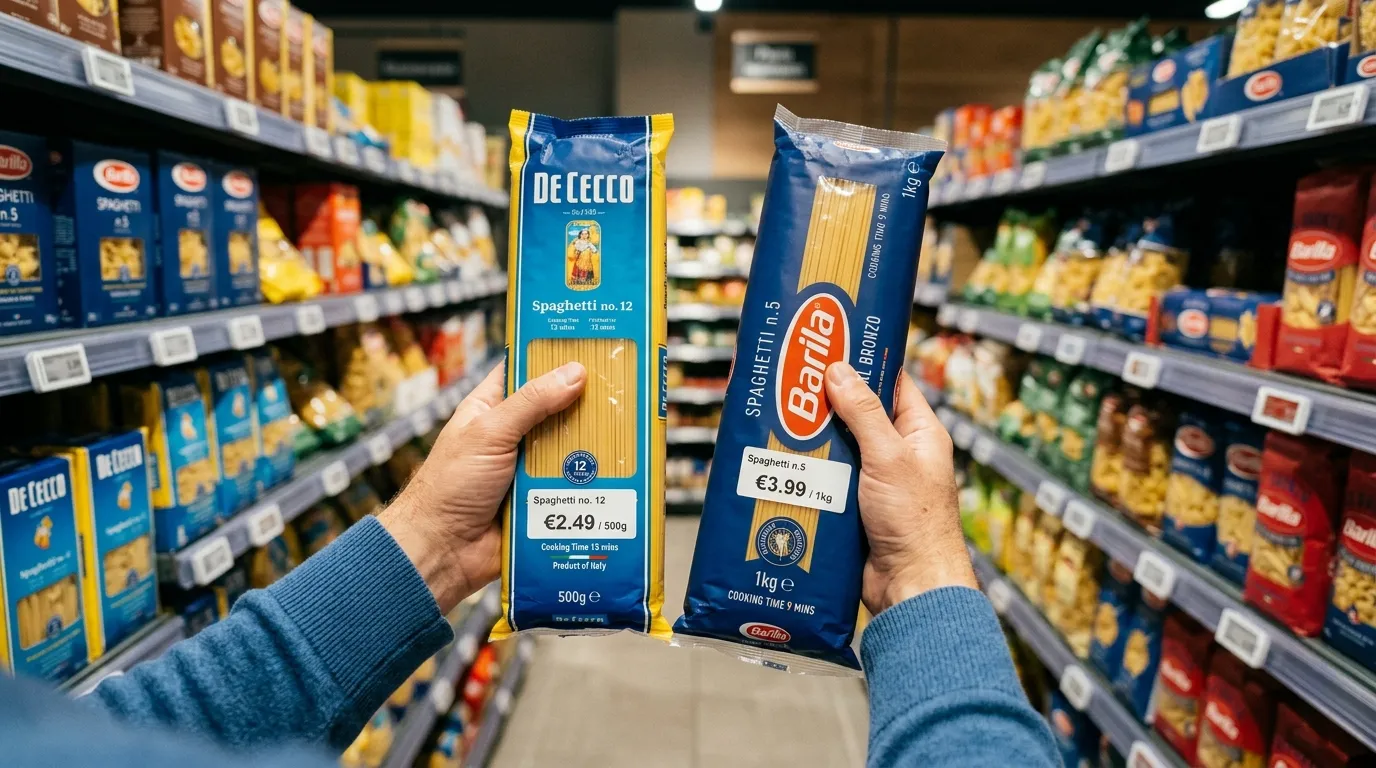
- overlook unit-price or package-size problems.
That is why many Canadian shoppers feel busy with flyers without feeling fully in control of the basket.
Why BarcodeVibe fits the basket decision better
BarcodeVibe is more useful when you care about the next actual decision:
- which store is worth the trip;
- whether today’s shelf tag is actually strong;
- whether the product is still the same size or format;
- whether a repeat staple is worth buying now or waiting on.
This is why BarcodeVibe’s price comparison page, price tracker, and barcode scanner work better together than a flyer-only routine.
When flyers should still be part of the workflow
Flyers still deserve a place when:
- you want a fast overview of weekly promotions;
- you are looking for category-level inspiration;
- you want to know which banners deserve deeper comparison.
The mistake is not using flyers. The mistake is stopping there.
A better Canada grocery workflow
For most Canadian shoppers, the strongest method is layered:
- start with flyers to find candidate stores or categories;
- move to comparison to judge the likely basket;
- use price tracking on the items that matter most;
- scan in store if the exact product needs verification.
This is where BarcodeVibe becomes stronger than a pure flyer workflow. BarcodeVibe keeps discovery, comparison, history, and verification closer together.
A simple basket test most shoppers can use
Take a basket of eight to ten repeat items such as milk, eggs, bread, yogurt, cereal, chicken, coffee, and one household basic. Then ask two questions:
- does the flyer save me on one or two highlighted products only?
- does the comparison view still look strong once the rest of the basket is added back in?
This test matters because many flyer wins disappear when the unadvertised part of the basket returns. A store can be excellent on a few featured items this week but still mediocre on the products that quietly drive the total bill. A good comparison routine also helps you split the trip intelligently. If one banner wins the real stock-up basket, use that as the default and layer flyers back in only when an advertised item is clearly exceptional and worth the detour. That is a more repeatable system than rebuilding the whole grocery plan around a handful of flyer tiles every week.
It also makes your week easier to repeat. Once you know which banner usually wins the core basket, you can treat flyers as a secondary filter instead of as the whole plan. That usually leads to calmer decisions, fewer unnecessary detours, and a better sense of whether a featured deal is actually improving the trip.
Best choice by need
| Need | Better method | Why |
|---|---|---|
| See what is advertised this week | Flyers | They are built for discovery |
| Decide where to shop for a real basket | Price comparison | Basket math beats item highlights |
| Check a promoted product in store | BarcodeVibe-style scanning | The exact product may differ from the flyer idea |
| Track staples over time | Price tracking | Repeat items need price memory |
| Build a calmer weekly routine | Comparison first, flyers second | The basket stays in charge |
FAQ: flyers vs price comparison apps
Are grocery flyers better than price comparison apps?
Flyers are better for discovery. Price comparison apps are usually better when the shopper needs to decide where to shop for the actual basket.
Should I stop using flyers?
No. Use flyers as a discovery layer, then verify the basket with comparison, tracking, and scanning.
Where does BarcodeVibe fit?
BarcodeVibe fits after discovery, when the shopper needs to verify whether the deal, product, or store choice actually makes sense.
The practical takeaway
Flyers are useful for discovery. Price comparison apps are usually better for real savings when you care about the basket rather than the highlighted item. BarcodeVibe is strongest when it takes the comparison layer and connects it to price history plus in-store verification.
If you want the fastest next step, start on BarcodeVibe’s price comparison page, then connect it to BarcodeVibe’s price tracker and BarcodeVibe’s barcode scanner.