Bottom line first: as of April 17, 2026, the latest nationwide grocery-inflation release from Statistics Canada is the February 2026 CPI report, published on March 16, 2026. It showed food purchased from stores up 4.1% year over year, after 4.8% in January. Separately, Statistics Canada’s monthly food-price table was updated on April 15, 2026, and Dalhousie’s Canada’s Food Price Report 2026 forecasts overall food prices up 4% to 6% this year. For shoppers, the right move is not to stare at macro headlines. It is to track the few products that actually move the bill.
What the latest Canada food-inflation data really says
The main picture is not “food inflation is gone.” It is “food inflation is still present, but the signal needs to be read carefully.”
The useful pieces are:
March 16, 2026: Statistics Canada reported grocery prices up4.1%year over year in February;- the same release noted grocery prices are
30.1%higher than in February 2021; April 15, 2026: the official monthly food-price table remained available for product-level checking by geography;December 4, 2025: Canada’s Food Price Report 2026 forecast overall food prices up4%to6%in 2026.
That combination means broad inflation pressure and household-level timing still matter.
Table: the monthly signals worth tracking
| Signal | Why it matters | What to do with it |
|---|---|---|
| CPI for food purchased from stores | Gives the broad national direction | Use it as context, not as a buying list |
| Monthly average retail food prices | Shows product-level movement | Track your staples, not the whole table |
| Product format changes | Inflation can hide inside pack changes | Use shrinkflation checks before trusting a price |
| Your repeat staples | The same items drive most of the basket | Keep a short tracker watch list |
This is the key shift: macro inflation should tell you where to pay attention, not what to buy.
Which grocery items deserve tracking first
The best inflation watch list is usually short:
- eggs;
- milk;
- bread;
- yogurt;
- chicken;
- coffee;
- cereal;
- one household item such as detergent or diapers.
These products matter because they repeat often enough for small differences to compound.
Why inflation tracking has to connect to BarcodeVibe tools
Inflation reporting alone is too broad to improve a shopping trip. The stronger workflow is:
- read the macro context once a month;
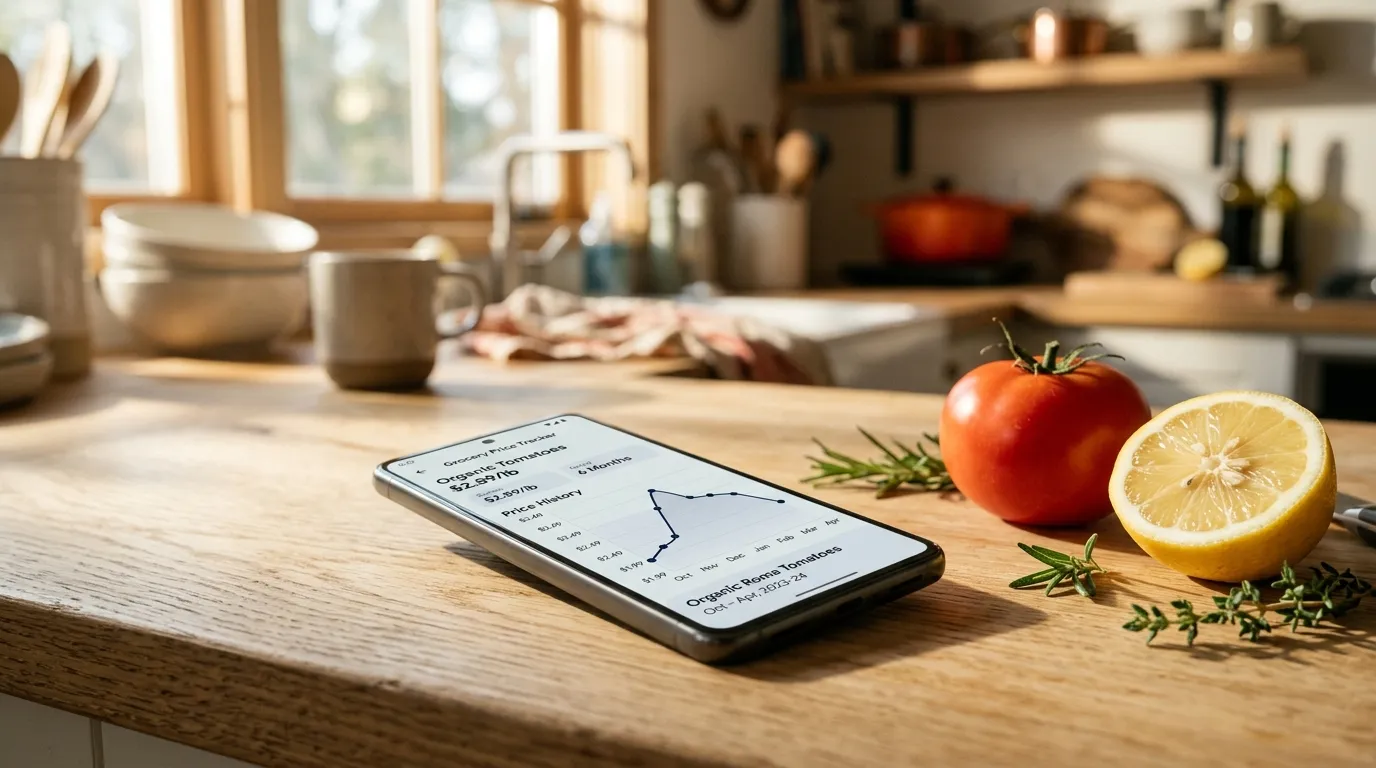
- keep the real watch list in BarcodeVibe’s grocery price tracker;
- use BarcodeVibe’s price comparison when store choice changes the outcome;
- open BarcodeVibe’s shrinkflation page if the product format may have changed.
That is also the logic behind Best Grocery Price Tracker App in Canada and How to Read Price History Before Buying Groceries.
A simple monthly Canada inflation routine
If you want a system instead of a headline habit, do this:
- check the latest official food-inflation release once a month;
- review your staple watch list in BarcodeVibe’s tracker;
- compare stores only on the items that truly move the basket;
- verify any suspicious product change before treating a price as a deal.
This keeps the inflation signal grounded in the products you actually buy.
What to do next
If food inflation in Canada in 2026 feels abstract, make it concrete:
- start with BarcodeVibe’s grocery price tracker;
- use BarcodeVibe’s price comparison page when a basket split is plausible;
- check BarcodeVibe’s shrinkflation guide when the product looks familiar but weaker;
- read What Is Shrinkflation in Canada in 2026? for the hidden-value side of inflation.
The practical takeaway
Food inflation in Canada in 2026 is still real, but the best response is local and repetitive, not theoretical. Use the official releases for context. Then let BarcodeVibe help you track, compare, and verify the products that actually determine your bill.