Bottom line first: if you want to buy Canadian groceries in 2026, do not rely on a maple leaf, a familiar brand name, or a vague shelf impression. The Canadian Food Inspection Agency makes clear that Product of Canada, Made in Canada, 100% Canadian, and country-of-origin statements do not mean the same thing. That matters more when grocery pressure is still real: Statistics Canada reported food purchased from stores up 4.1% year over year in February 2026. A buy-Canadian routine works best when it is a verification workflow, not just a feeling.
What “buy Canadian” should mean in the grocery aisle
For most shoppers, “buy Canadian” usually means one of four different goals:
- choose food that was mostly produced in Canada;
- choose food that was processed in Canada;
- choose a product with Canadian ingredients where that matters;
- avoid assuming a product is Canadian just because the branding looks familiar.
Those goals overlap, but they are not identical. That is why label reading matters.
Table: the label signals that matter most
| Label signal | What it helps you answer | Why it matters |
|---|---|---|
| Product of Canada | Is the product overwhelmingly Canadian in ingredients and production? | This is the strongest broad signal for Canadian grocery origin |
| Made in Canada | Was the product substantially transformed here? | Useful, but it does not automatically mean mostly Canadian ingredients |
| 100% Canadian ingredient claim | Is one ingredient fully Canadian? | Helpful for ingredient-specific choices like wheat, oats, or blueberries |
| Imported by / Product of another country | Was it produced elsewhere? | Useful when you want to avoid guessing from branding alone |
The CFIA’s guidance is practical here. It explains that some origin statements are mandatory, some are voluntary, and some may highlight only part of the story. That is why country-of-origin rules matter even when you already think you know the product.
Why brand names are a weak shortcut
A lot of grocery shoppers collapse “Canadian brand” and “Canadian product” into the same idea. That is usually too loose.
A brand can be:
- Canadian-owned but using a mix of domestic and imported ingredients;
- foreign-owned but manufacturing a particular product in Canada;
- packaged in Canada while key ingredients come from elsewhere;
- visually coded as Canadian without making a strong origin claim.
This is why a good buy-Canadian routine starts at the package, not at the logo.
A better BarcodeVibe workflow for buying Canadian groceries
If the product matters enough to check, keep the routine short:
- start with the package claim and country-of-origin statement;
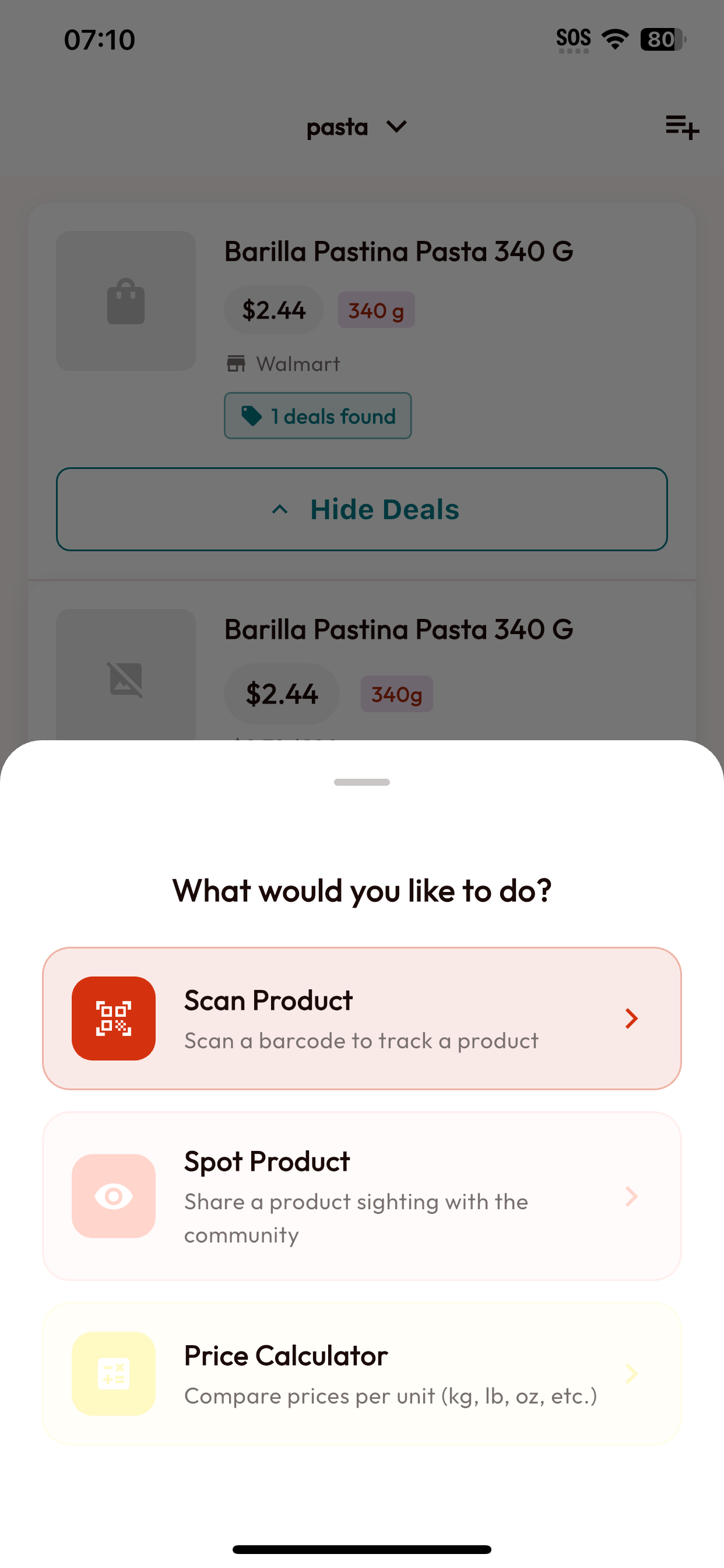
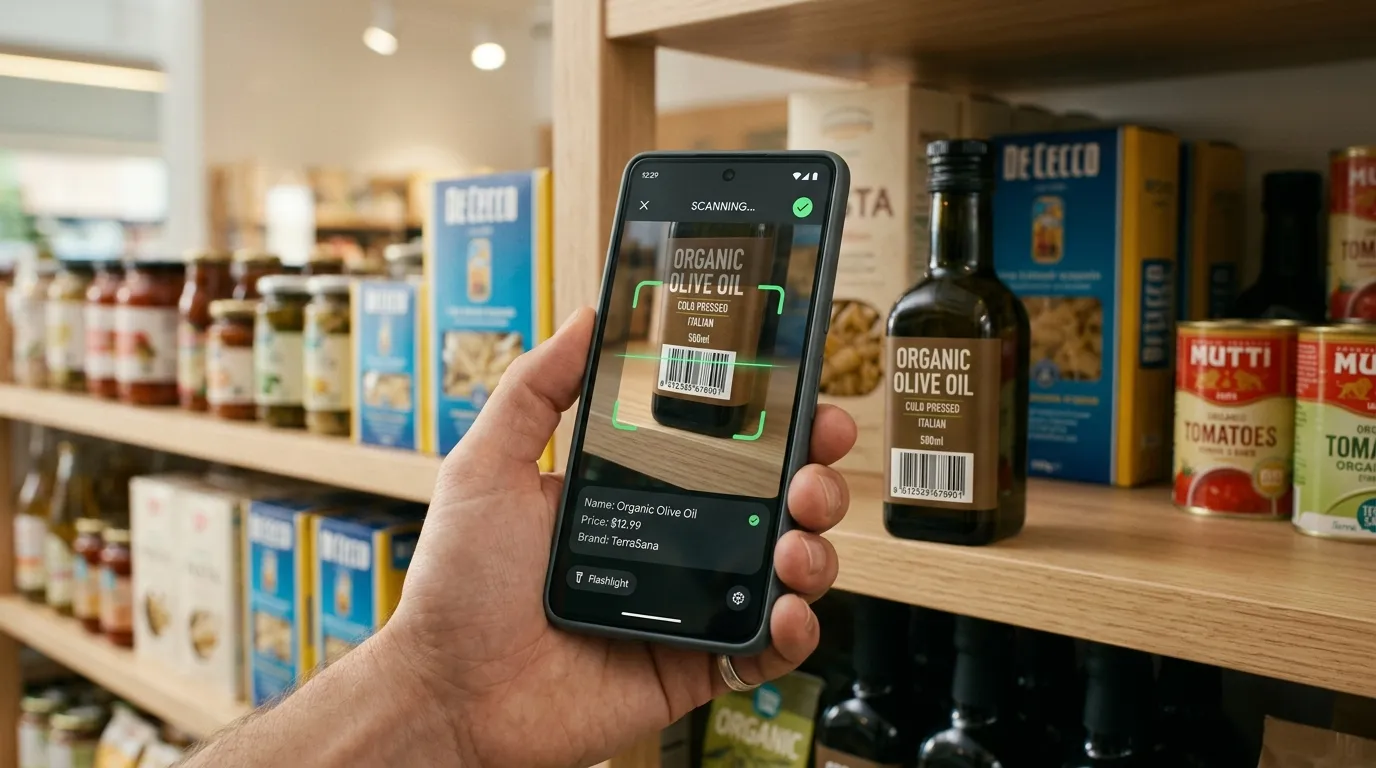
- open BarcodeVibe’s barcode scanner when the label still leaves doubt;
- use BarcodeVibe’s grocery price tracker if the product is a repeat staple you may want to time better;
- open BarcodeVibe’s shrinkflation guide if the format or size looks different from what you remember.
That order works because origin is only one part of the decision. A product can be Canadian and still be a weak buy if the format changed or the price is out of line.
Common mistakes shoppers make when trying to buy Canadian
The main errors are predictable:
- treating any maple leaf as if it were an official origin verdict;
- assuming a familiar grocery brand always means the product itself is Canadian;
- ignoring the qualifying statement that often sits next to a “Made in Canada” claim;
- forgetting that buying Canadian should still be weighed against price, timing, and format.
That is where What Is Shrinkflation in Canada in 2026? and Best Grocery Price Tracker App in Canada become useful companion reads. They help with the two decisions that sit next to origin: value and timing.
What to do next
If your goal is to buy more Canadian groceries without making shopping slower:
- start with BarcodeVibe’s barcode scanner for label verification;
- keep BarcodeVibe’s price tracker for the Canadian staples you rebuy often;
- review BarcodeVibe’s shrinkflation page when the pack size looks unfamiliar;
- use BarcodeVibe’s price comparison page when two products look equally Canadian but the basket cost still matters.
The practical takeaway
The smartest way to buy Canadian groceries in 2026 is not to guess better. It is to verify faster. Read the claim, check the origin signal, then use BarcodeVibe to confirm the product and judge whether it is still worth buying at today’s price.